
Flowers, Leaves, Stems & Roots
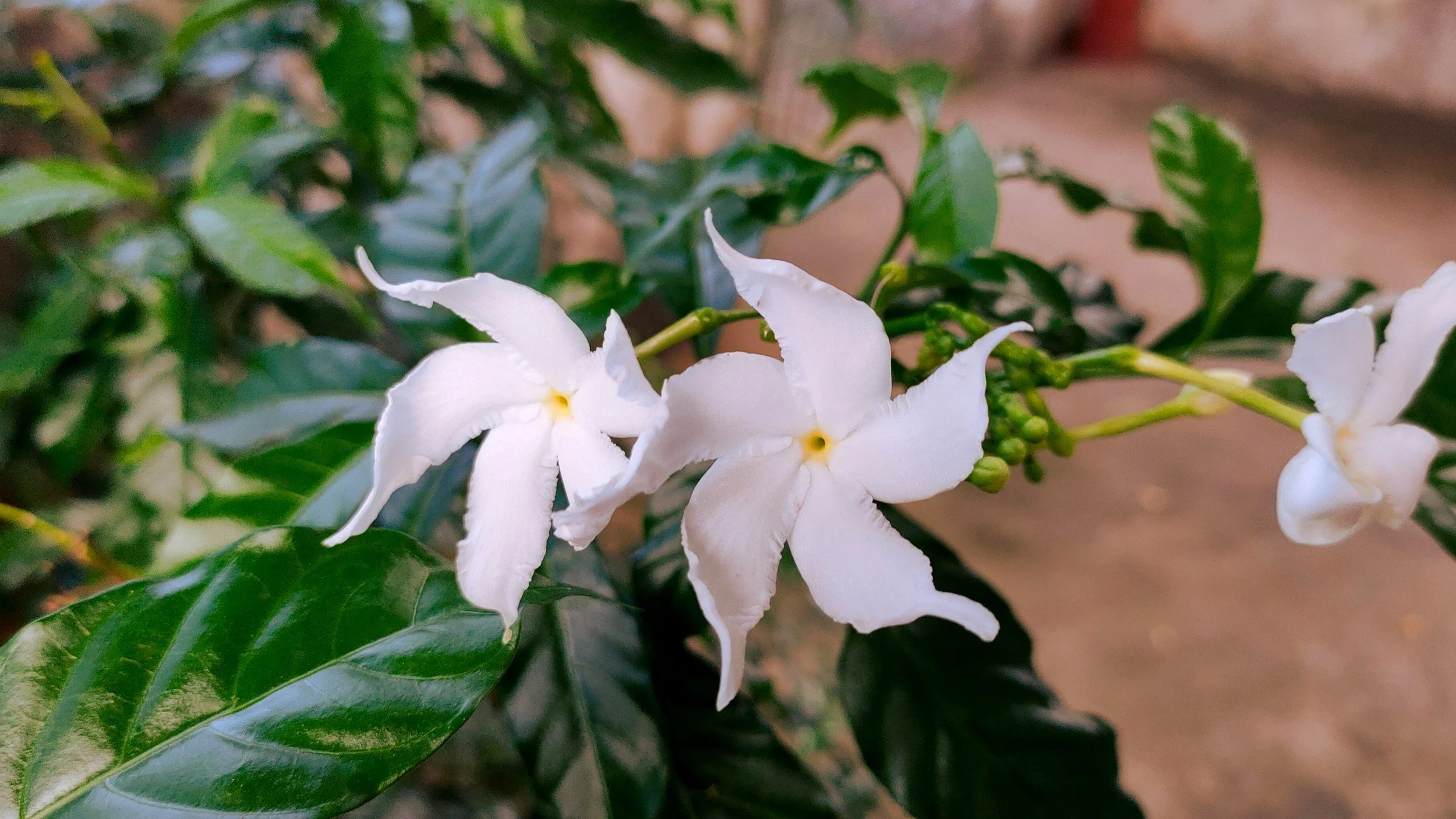
In Ayurveda, which part of the plant you use matters as much as which plant you choose. Flowers, leaves, stems, and roots each carry different gunas (qualities), virya (energetics), and karma (actions), so they behave very differently in hair and scalp formulations.
The Ayurvedic Logic Behind Plant Parts
Ayurveda views plants as having directional intelligence:
Roots pull minerals and grounding energy from the earth
Stems/barks provide structure and transport
Leaves manage metabolism and respiration
Flowers express refinement, aroma, and reproductive vitality
That hierarchy directly influences how they act on the scalp, follicles, and hair fiber.
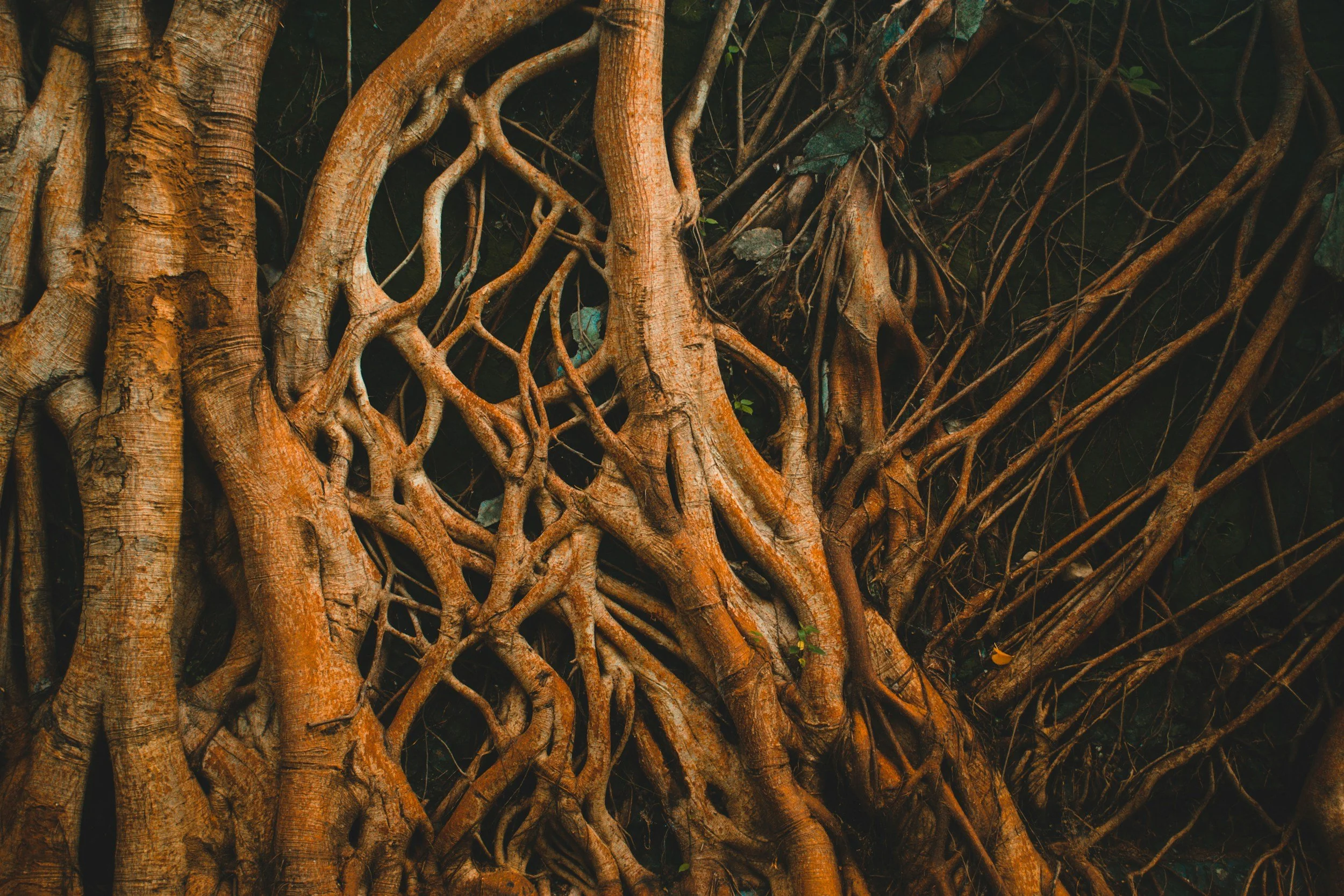
1. Roots (Mūla)
Grounding • Rebuilding • Long-term correction
Ayurvedic nature
Heavy (guru), stabilizing
Deeply nourishing to tissues (dhātus)
Strong effect on Vata and Pitta imbalances
Hair & scalp actions
Strengthen hair follicles
Support regrowth and density
Calm inflammatory scalp conditions
Address premature graying, thinning, shedding
Best for
Chronic hair loss
Dry, depleted, aging scalps
Stress-related shedding
Postpartum or hormonal thinning
Common examples
Bhringraj root
Ashwagandha
Vetiver
Licorice (Yashtimadhu)
Formulation notes
Slow extraction (oil decoctions, long infusions)
Excellent for treatment oils, scalp serums, masks
Less cosmetic, more therapeutic
Roots work below the surface. Think follicle health and future hair, not instant shine.
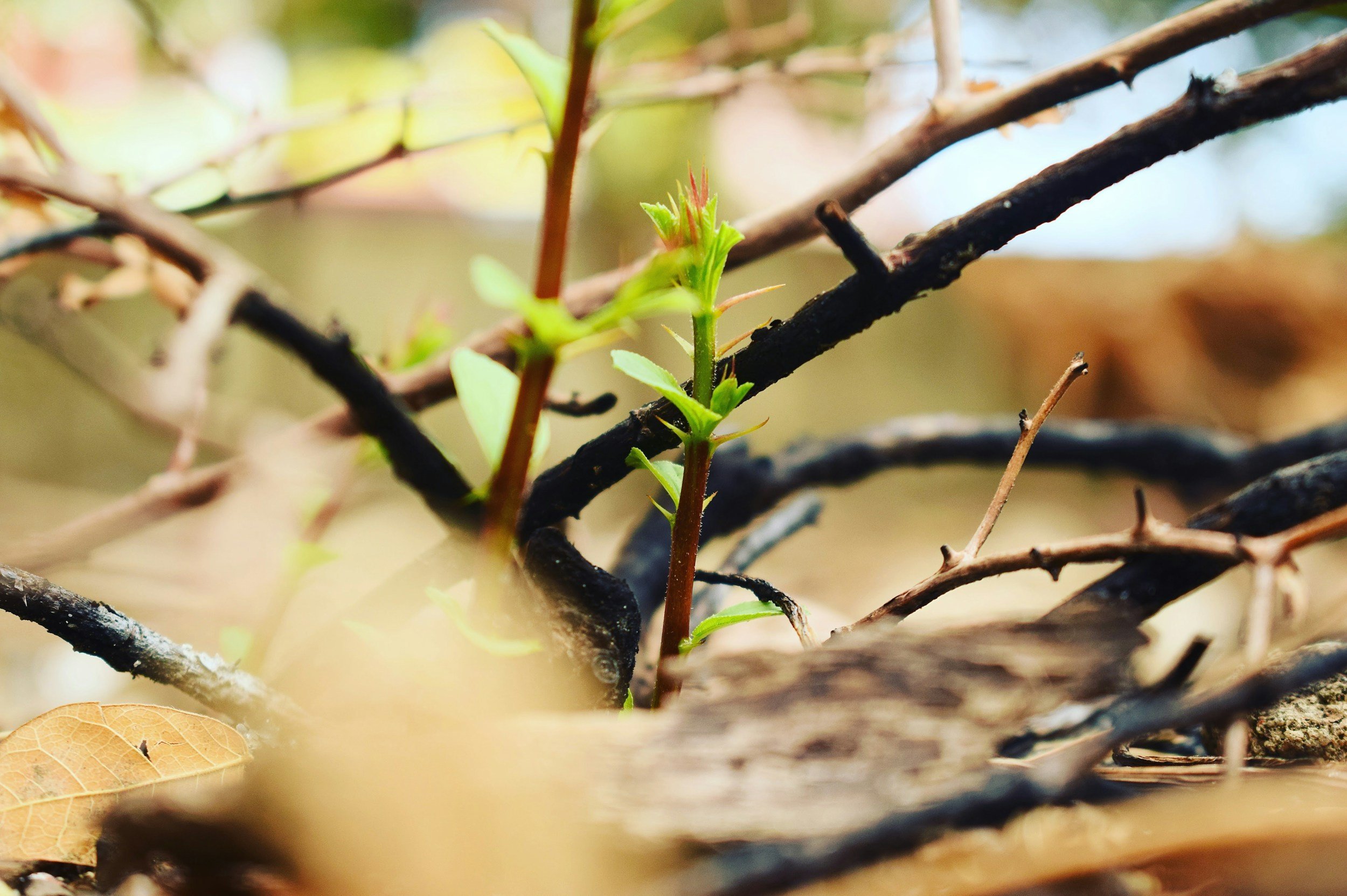
2. Stems & Bark
Structural • Circulatory • Protective
Ayurvedic nature
Astringent, strengthening
Improve circulation (rakta dhātu)
Regulate oil and microbial balance
Hair & scalp actions
Improve scalp tone and circulation
Reduce excess oil and dandruff
Support shaft strength and resilience
Best for
Oily or congested scalps
Flaking with buildup
Weak, breaking hair
Common examples
Neem bark
Arjuna bark
Guduchi stem
Cinnamon bark (low doses)
Formulation notes
Often used in cleansing or scalp-balancing products
Alcohol or water extractions work well
Can be drying if overused
Stems and bark are the “infrastructure” plants—they keep the system clean and functional.
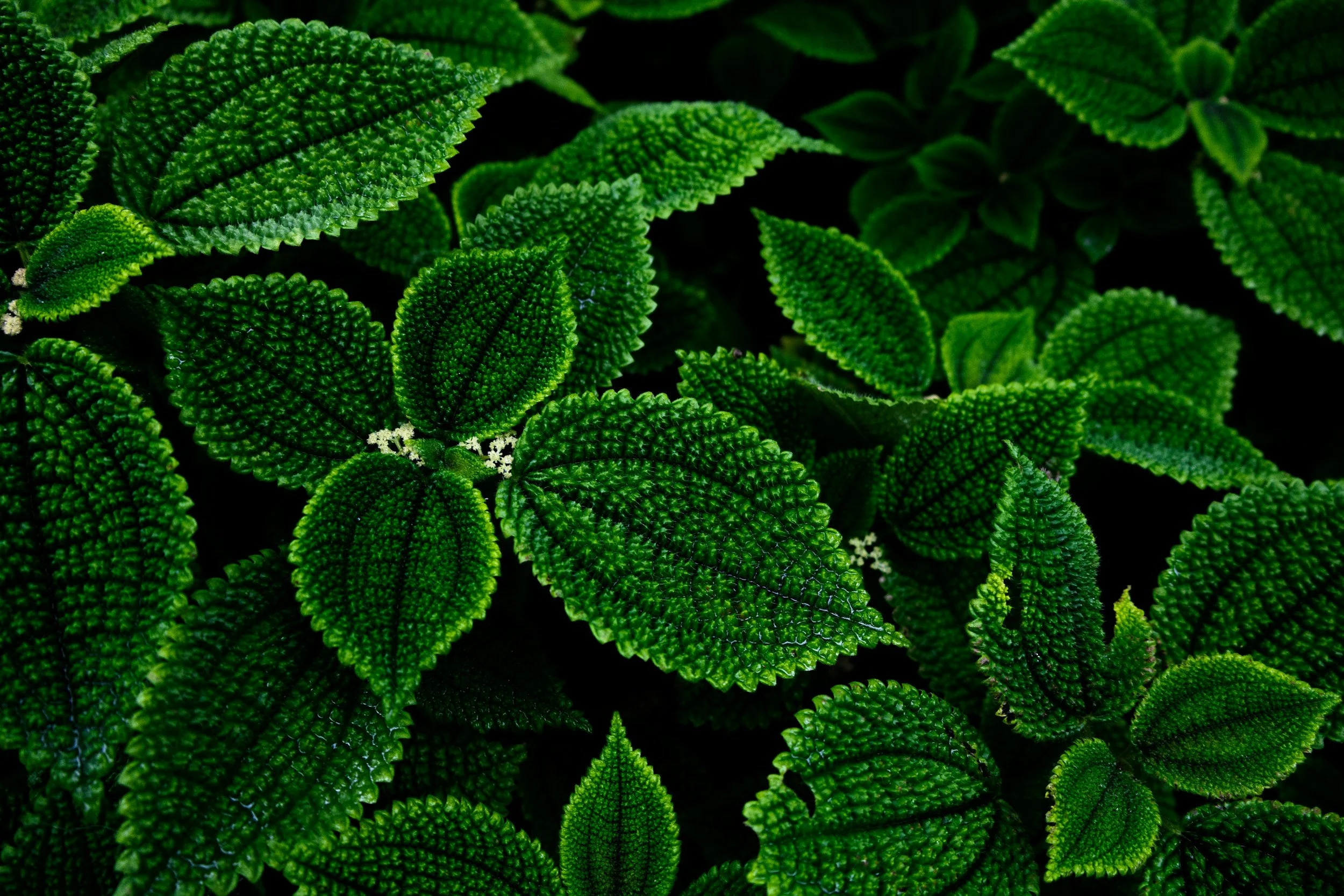
3. Leaves
Regulating • Cooling • Clarifying
Ayurvedic nature
Light (laghu), active
Strong metabolic and antimicrobial effects
Pacify Pitta and Kapha
Hair & scalp actions
Balance oil production
Reduce itching, heat, inflammation
Support scalp microbiome
Promote healthier growth environment
Best for
Itchy or inflamed scalp
Dandruff, scalp acne
Oily roots with dry end
Common examples
Neem leaf
Brahmi leaf
Hibiscus leaf
Curry leaf
Formulation notes
Excellent in cleansers, tonics, masks
Fresh or dried leaves extract quickly
More “active” but less deeply nourishing than roots
Leaves are your daily maintenance plants—they keep the scalp ecosystem balanced.
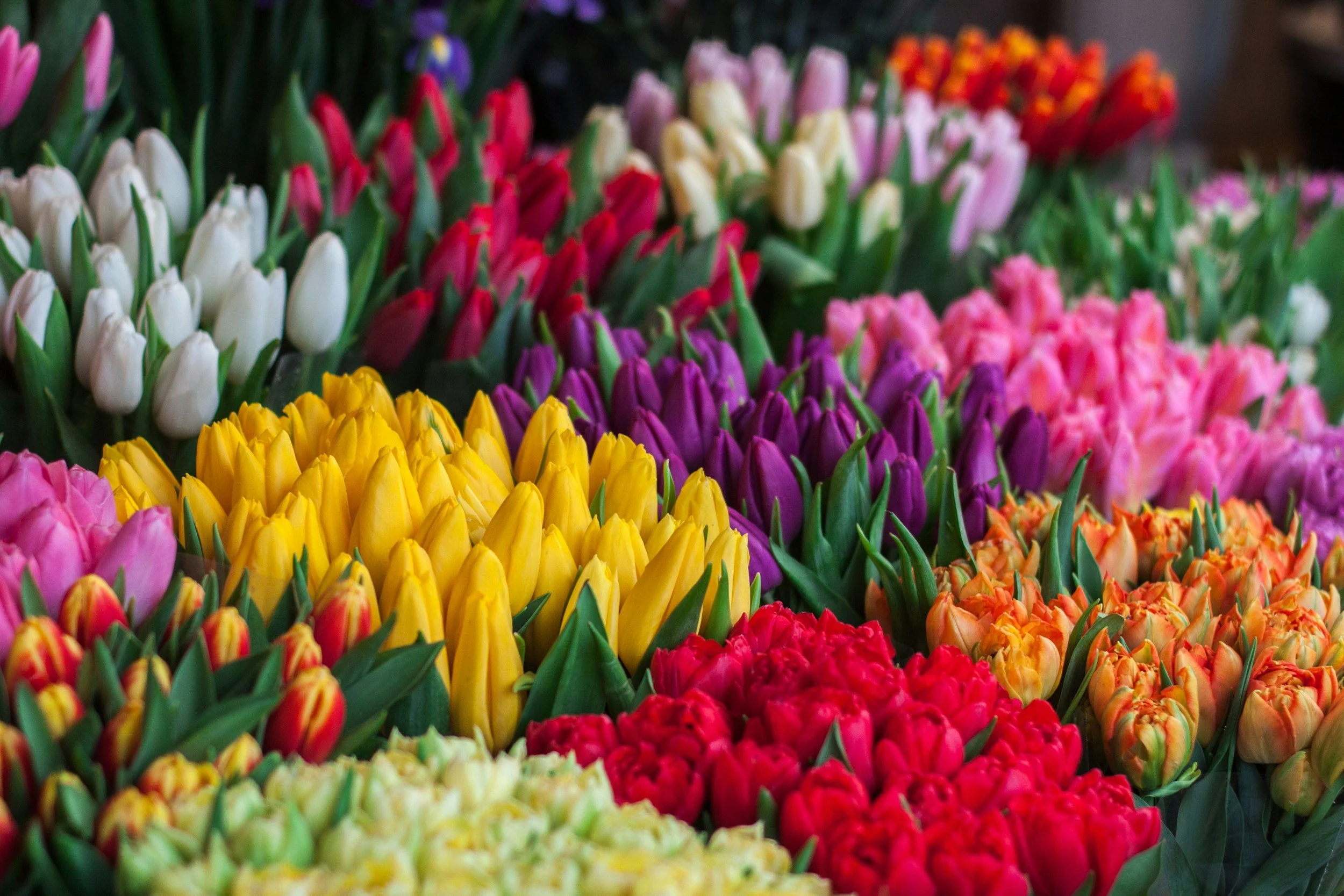
4. Flowers (Puṣpa)
Refining • Cooling • Sensory & hormonal
Ayurvedic nature
Light, subtle (sūkṣma)
Cooling and soothing
Affect the mind (manas) and hormones
Hair & scalp actions
Enhance softness, shine, and manageability
Calm scalp irritation
Support stress-related hair concerns
Improve scent and ritual experience
Best for
Dry, dull, brittle hair
Sensitive scalps
Stress-induced shedding
Luxury or ritual-based products
Common examples
Hibiscus flower
Rose
Jasmine
Blue lotus
Formulation notes
Ideal for conditioners, oils, hair milks, finishing products
Gentle extraction preserves aroma
Primarily supportive, not corrective alone
Flowers don’t fix hair problems by themselves—but they make the system more receptive and resilient.
How Ayurvedic Formulations Use This Together
Traditional formulas almost never rely on one plant part alone.
A classic hair oil might include:
Roots → follicle nourishment
Leaves → scalp regulation
Flowers → softness, cooling, aroma
This creates balance across:
Scalp (skin)
Follicle (tissue)
Hair fiber (cosmetic result)
Nervous system (stress response)